
Supply chain strategy: cost, resilience and service, decided deliberately
Is the supply chain built for the cost, risk and service levels the strategy now demands? Our writing helps leadership teams see the network end to end and make its trade-offs explicit.
For years, supply chains were tuned for one thing: lowest landed cost. Disruption has made resilience a board-level topic, but the reflexive answer of holding more of everything is expensive and often protects the wrong products. The better question is which parts of the network are truly critical, and what level of protection each one is worth.
Our supply chain pieces look at footprint, sourcing, inventory and logistics as strategic choices rather than operational settings. We also write about demand sensing, because the commercial data companies already collect, such as secondary sales, can warn of shifts in demand weeks before they show up in orders.
The questions we explore
- Which products, suppliers and nodes would hurt most if they failed?
- Where does extra resilience pay for itself, and where is it simply cost?
- Is our footprint still right for where demand is going?
- How early could we see a shift in demand, and who would act on it?
Read our supply chain writing
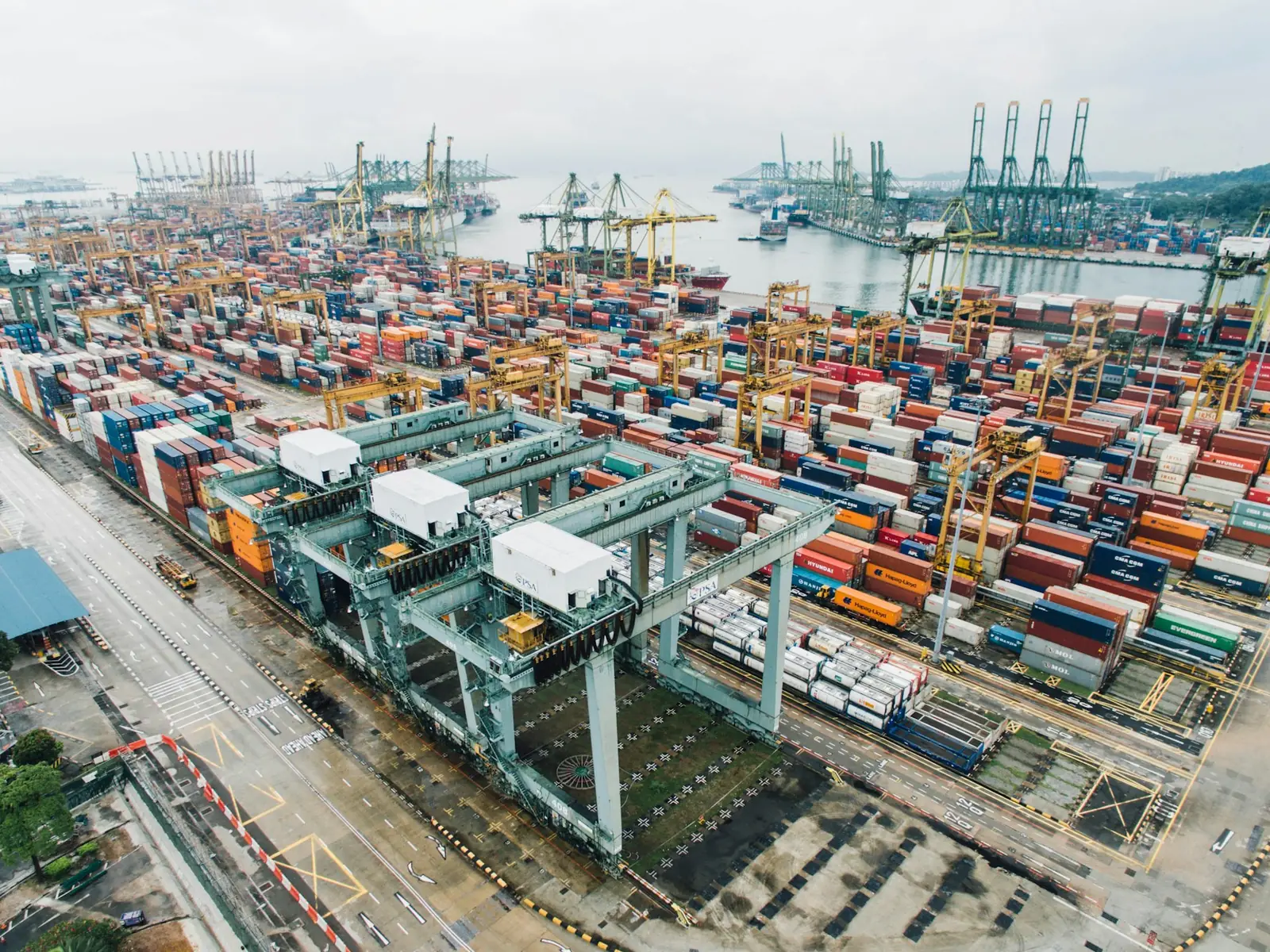
Supply chain resilience without sacrificing margin
Resilience does not have to mean holding more of everything. Targeted choices protect both continuity and cost.

Three people knew about the fever
A chemist, a brand manager and a health officer each see the same outbreak coming. India’s medicine sales could warn of outbreaks weeks earlier, if someone read them for health.
Also useful: Cost-of-delay calculator.
One considered idea, straight to your inbox.
A short note when we publish something worth a leader’s time. No noise, and you can leave with one click.