
M&A and investment: is this the right deal at the right price?
Deals are among the largest and least reversible decisions a leadership team makes. Our M&A writing looks at what separates the deals that create value from the ones that quietly destroy it.
Most of the value in a deal is decided before signing: in the strength of the thesis, the discipline on price, and the realism of the synergy case. The rest is won or lost in the first hundred days, when integration choices either protect what the buyer paid for or erode it.
We write about acquisitions, divestments and valuations as decisions, not as transactions. That means asking what the seller knew about timing, what the buyer has to believe for the price to make sense, and which assumptions deserve the hardest test. Our case notes apply the same lens to real deals in the news, including sports franchises, which have become a serious asset class in India.
The questions we explore
- What is the value-creation thesis, in one sentence, and who owns it after close?
- Which synergy assumptions carry the price, and how confident are we in each?
- Is now the right time to buy, or to sell, and what does the other side know?
- What will the first hundred days protect, and what will they put at risk?
Read our m&a and investment writing

Why most mergers fail to create value, and what the successful ones do differently
The deal is the easy part. Value is won or lost in the thesis, the price and the first hundred days.
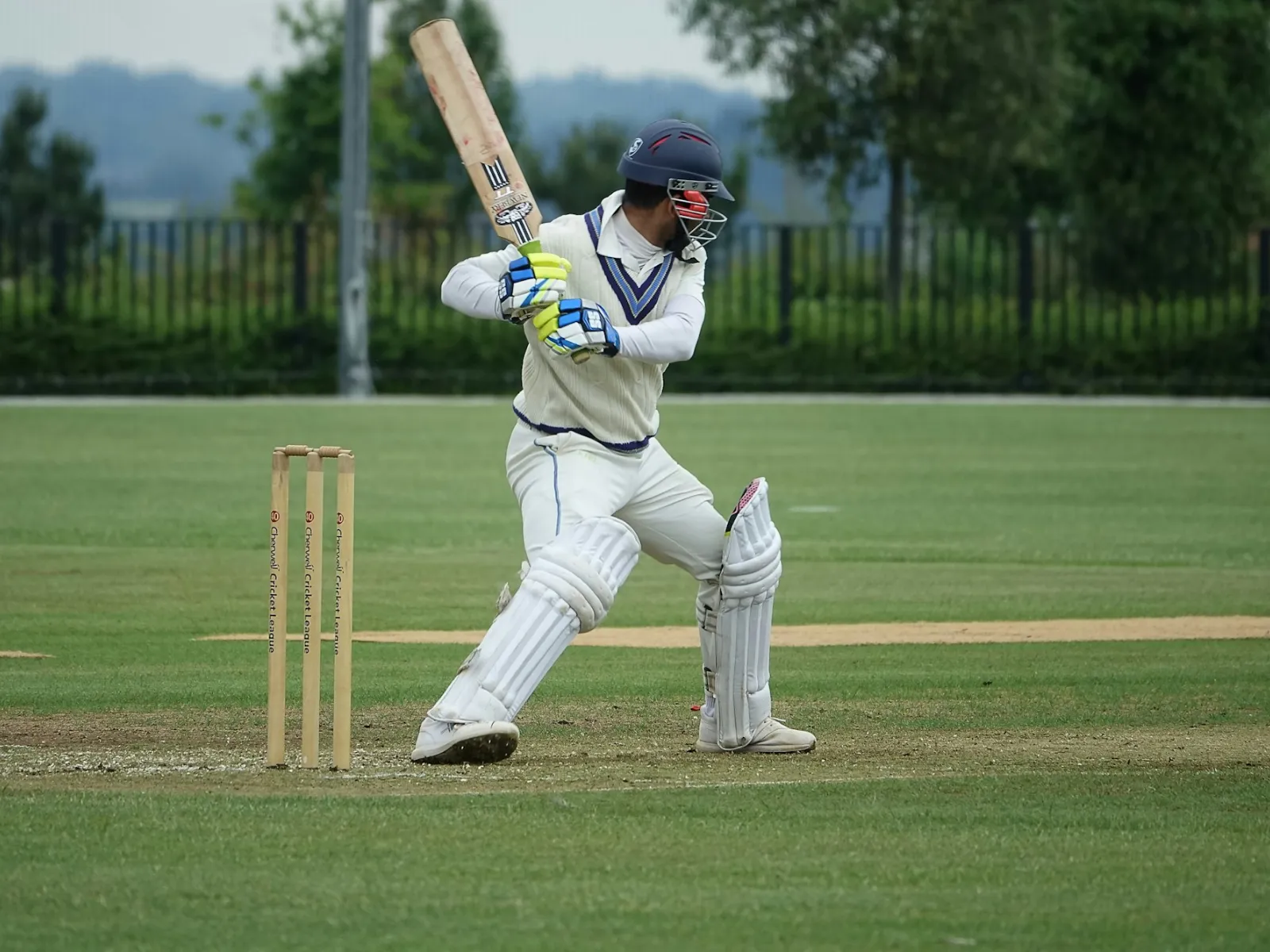
Why Diageo sold RCB, and what the buyers are betting on
A ₹16,660 crore exit, read as a decision: how the seller timed it, and what the buyers have to believe.
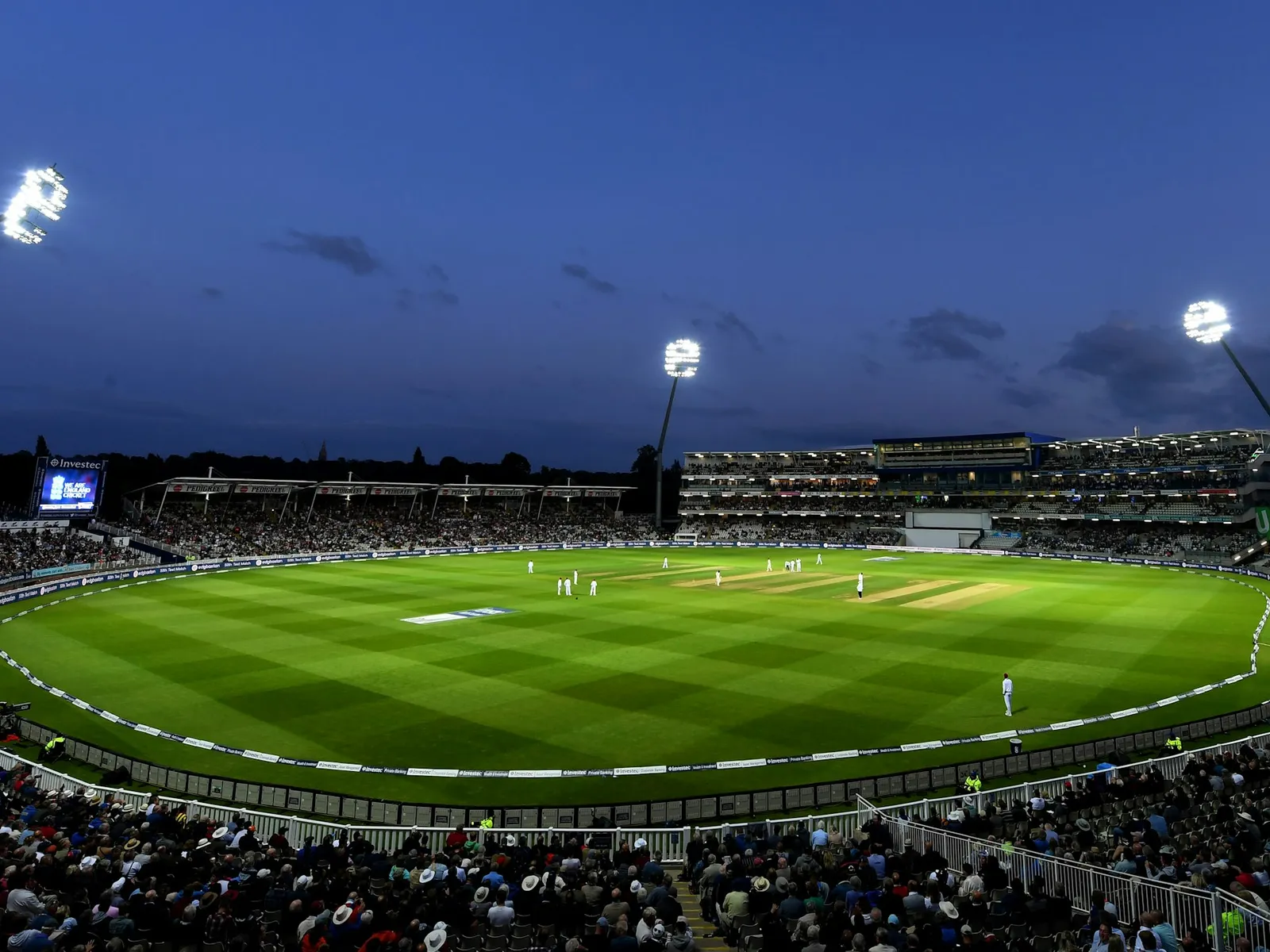
What investors see in an IPL franchise
The sale of Royal Challengers Bengaluru put a price of US$1.78 billion on an Indian cricket team. That value rests on a few assumptions every buyer and owner should test.
Also useful: The RavenArc Decision Method.
One considered idea, straight to your inbox.
A short note when we publish something worth a leader’s time. No noise, and you can leave with one click.